
Federal Military Parts (763) 310-9340
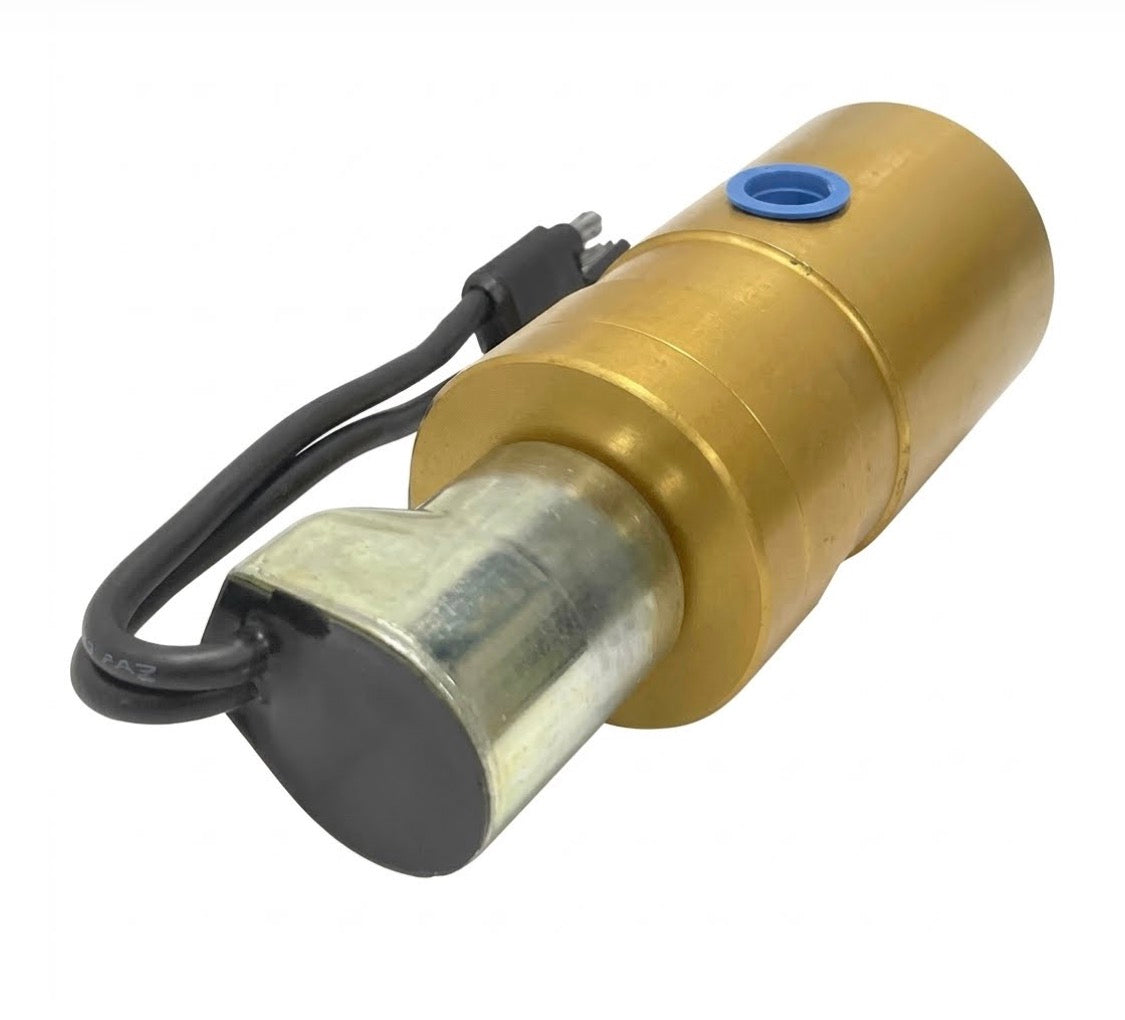
24V Fan Clutch Solenoid Control Valve Replacement for HMMWV Humvee M998 H1, Heavy Duty Brass Engine Cooling Fan Hydraulic Control Valve Assembly, Replaces NSN 4810-01-192-5817, Part 12339982
Обычная цена
€400,00 EUR
Обычная цена
Цена со скидкой
€400,00 EUR
Цена за единицу
за
Сумма налога включена.
Стоимость доставки рассчитывается при оформлении заказа.
Не удалось загрузить сведения о доступности самовывоза
This part is used for every model of MILITARY humvee.
Fan Clutch Solenoid Valve, universally known in the military vehicle community as the "Cadillac Valve." This electro-hydraulic valve is a critical component of the engine cooling system for the AM General HMMWV (Humvee).
It regulates the power steering/hydraulic fluid pressure to engage and disengage the engine cooling fan based on engine temperature. Because it is engineered with a combat-ready failsafe, unplugging or cutting power to this valve automatically locks the fan into full engagement to prevent catastrophic engine overheating.
Product Specifications:
- Component Type: Electro-Hydraulic Solenoid Valve
- Common Industry Names: Cadillac Valve, Fan Clutch Solenoid
- National Stock Number (NSN): 4810-01-192-5817
- Part Numbers: 12339982 / 1059-06607-02
- Fitment: Fits all standard 6.2L and 6.5L naturally aspirated and turbocharged HMMWV variants (M998, M1025, M1123, M1114, ECV, etc.)
Condition & Testing Note:
This item is being sold as-is. For your peace of mind, the internal solenoid coil can easily be verified with a digital multimeter; a healthy, functional unit typically reads a resistance between 58 and 78 ohms across the pins.
This item is being sold as-is. For your peace of mind, the internal solenoid coil can easily be verified with a digital multimeter; a healthy, functional unit typically reads a resistance between 58 and 78 ohms across the pins.
Perfect for restoration projects, mechanical repairs, or keeping as a critical spare part for your overland rig.
The fan clutch solenoid valve on a military HMMWV (Humvee) is a critical electro-hydraulic component most commonly referred to by mechanics and enthusiasts as the "Cadillac valve." Its primary job is to regulate hydraulic fluid pressure to engage or disengage the engine's cooling fan.
Core Function & Operation
- Hydraulic Control: Unlike civilian vehicles that often use electronic or viscous clutches, the Humvee uses hydraulic fluid pressure (drawn from the power steering system) to operate the fan clutch. The solenoid valve acts as the gatekeeper for this fluid.
- On/Off Operation: The system operates in a binary state. The fan is either completely disengaged (freewheeling) or 100% locked and spinning at full engine speed. There are no variable or partial speeds.
- Failsafe Design: The valve is engineered to be "normally open" when it loses electrical power. If the wiring fails or you unplug the electrical connector, the hydraulic pressure vents, causing the fan clutch to spring-lock into a permanently engaged state. This prevents the engine from overheating in combat or field environments if the electrical system fails.
How the System Works Together
- Temperature Spike: When the engine coolant reaches a specific high temperature (typically around 220°F to 230°F), a mechanical temperature switch in the engine crossover pipe activates.
- Signal Delay: The switch sends a signal to a control box (the time-delay module) to prevent the fan from constantly cycling on and off over minor temperature fluctuations.
- Solenoid Activation: The module cuts power to the fan clutch solenoid valve (Cadillac valve), dropping hydraulic pressure and forcing the fan to fully engage with a loud, distinct roar. Once the engine cools down, power is restored to the solenoid, fluid pressure builds, and the fan disengages to save fuel and horsepower.
Diagnostics & Specifications
- Electrical Resistance: When testing the solenoid with a multimeter, a functioning valve typically shows a resistance reading between 58 and 78 ohms.
- Common Failure Modes: The valve can fail mechanically (internal seals leak hydraulic fluid into the electrical plug) or electrically (the internal solenoid coil burns out or shorts).